GEMLA-Agent
AI for Responsive Design Learning Environments
GEMLA-Agent is a cloud-native, multimodal agentic AI system designed to collaborate with teachers during live instruction— detecting instructionally significant moments and delivering context-aware instructional support in real time.
Ask a probing question that connects the student's current reasoning to the class discussion.
GEMLA-Agent supports teachers during the moments when instructional decisions matter most.
The pedagogical reasoning engine is grounded in Responsive Design Pedagogy.
Speech, gestures, gaze, written work, artifacts and participation patterns.
GEMLA-Agent contributes open-source components, benchmarks and multimodal classroom datasets.
GEMLA-Agent continuously perceives classroom events, builds contextual memory, reasons pedagogically, coordinates agents and provides actionable teacher support.
Event-driven multimodal agents continuously update shared contextual memory and adapt to emerging classroom events.
Audio
Video
Artifacts
Speech
Vision
Fusion
DMAMG
Memory
Context
Pedagogy
Priority
Equity
Prompts
Questions
Recommendations
An open benchmark suite for evaluating multimodal agent systems under realistic streaming conditions.
Response latency targets below 2–3 seconds, multimodal interpretation accuracy, recommendation precision and recall, and streaming reliability.
Teacher trust and adoption, recommendation usefulness, recommendation utilization and perceived instructional support.
Teacher responsiveness, participation equity, student engagement and comparative student learning outcomes.
GEMLA-Agent evaluates whether real-time human–AI collaboration can strengthen teacher responsiveness and student learning.
Academic history, behavioural patterns, and progress tracking, organised by class for instant access.
Real-time visibility into classroom dynamics as they happen, so teachers can adjust on the spot.
Reads strengths, interests, and performance to surface personalised career pathways, starting early.
Continuous feedback identifies teaching gaps and recommends targeted development resources.
Classroom-level analytics — from attentiveness to physical proximity — beyond what test scores show.
A bird's eye view of performance, attendance, engagement, and outcomes across classes and grades.
Support teachers in responding to student mathematical thinking during live instruction.
Identify participation patterns and opportunities for more equitable classroom interaction.
Examine student engagement patterns within multimodal classroom interactions.
Compare learning outcomes between classrooms using GEMLA-Agent and classrooms operating without it.
Contribute open-source components, datasets and evaluation frameworks to the AI research community.
Explore reusable human–AI co-reasoning infrastructure for dynamic real-world environments.
GEMLA stands for GenAI-Enhanced Multimodal Learning Analytics. A team combining expertise in AI, education, and software engineering to rethink how schools understand learning.

Innovation leadership, mathematics education, maker-centered learning, responsive pedagogy research, STEM technology innovation, and product strategy.
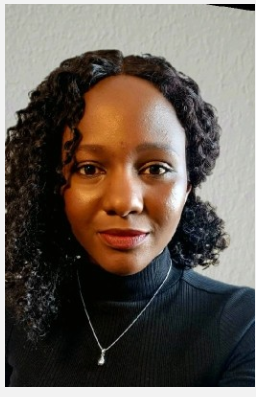
Data systems, AI and ML applications, analytics, educational technology, monitoring and evaluation, and impact measurement.

Software development, AWS cloud architecture, AI initiatives including GEMLA, cybersecurity, digital platforms, LMS development, automation, and mobile applications.

Telecommunications engineering, technical systems management, AI applications, and hardware and software integration.

Human-centered learning design, inclusive technology adoption, and problem-solving methodologies.
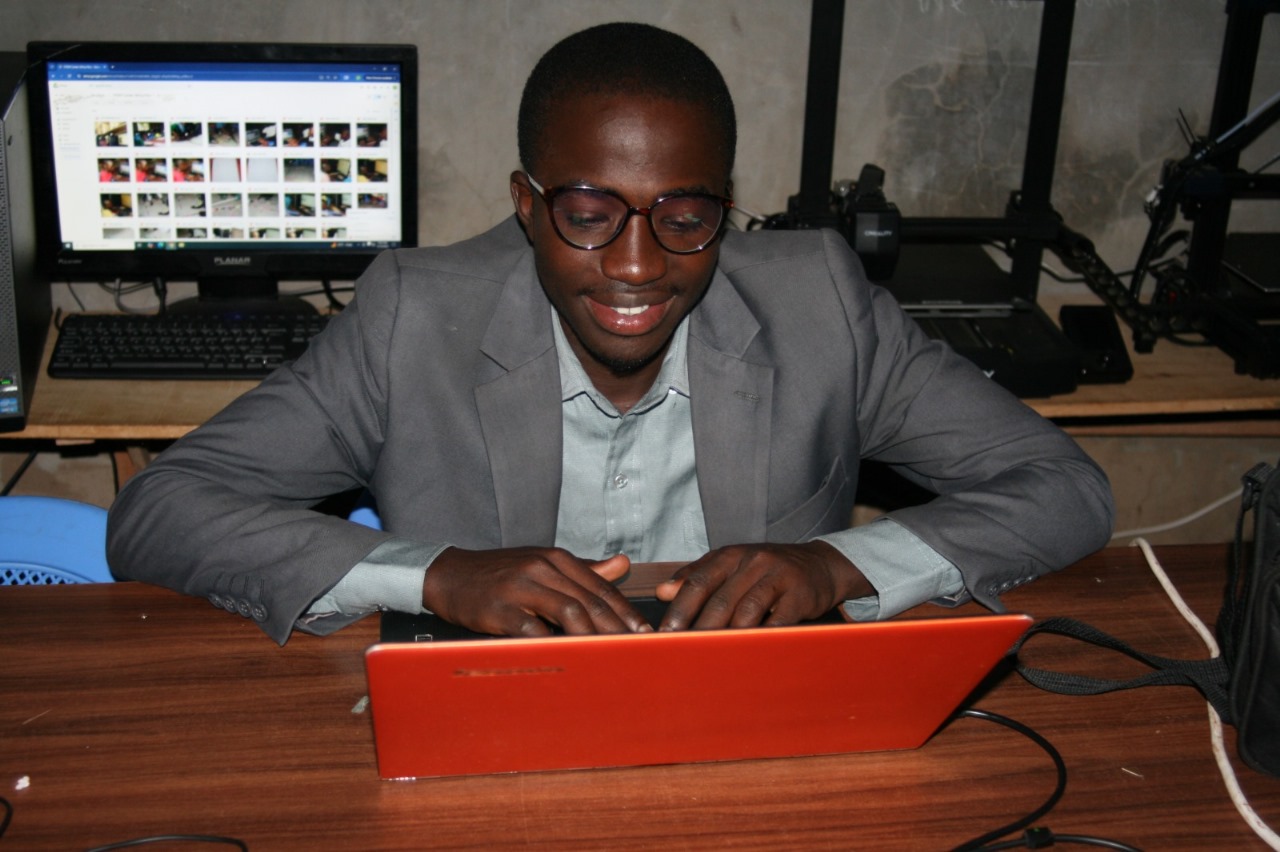
Website and digital platform development, educational technology resources, online content management, web development instruction, and multimedia production.
We write about AI in education, what we are learning, and what we are building. First posts coming soon.
A look at the real challenges in building AI that operates during live instruction, and how we approached them in GEMLA.
Real-time AI forgets. Here is how the Dynamic Multimodal Agent Memory Graph keeps a lesson in context from the first minute to the last.
Hand raises and verbal answers tell only part of the story. What a fuller picture of participation looks like, and why it matters for equity.
We are getting our first posts ready. Get in touch if you want to be notified when we publish.
GEMLA-Agent combines multimodal perception, pedagogical intelligence and cloud-native multi-agent orchestration to support teachers in real time.
Connect With the GEMLA-Agent Team →